Why Letting Steak Rest Matters
Resting a steak after cooking is a practice that many recipes and grilling guides often mention, yet the reasons behind it are not always fully explained. For home cooks and seasoned chefs alike, understanding the process of resting can make a noticeable difference in the quality of the final dish. This article explains the scientific principles that support the resting step, the practical methods for doing it effectively, and the factors that influence the outcome.
During cooking, heat causes significant changes inside the meat. Proteins denature and contract, and moisture is pushed toward the center. If a steak is cut immediately after being removed from the heat, the juices can escape, leaving the meat drier and less flavorful. Resting allows the meat to undergo a gradual redistribution of juices, which helps retain moisture and improve overall texture. This article explores the mechanics of this process and offers guidance on how to incorporate resting into a regular cooking routine.
The Science of Juice Redistribution
To understand why resting is beneficial, it helps to consider what happens to water and other fluids inside the meat during cooking. As the steak heats up, muscle fibers shorten and tighten, causing the internal pressure to rise. This pressure forces moisture, along with dissolved flavors and nutrients, toward the center of the cut. The outer layers become relatively drier, while the middle accumulates more liquid.
When the steak is removed from the heat, the temperature gradient continues to influence moisture movement. If the steak is sliced immediately, the knife cuts through many cells, and the pressurized fluids are released. The result is a pool of juice on the cutting board, and the meat itself can appear drier and less satisfying. Resting allows the muscle fibers to relax slightly, and the moisture can redistribute more evenly throughout the entire piece.
The redistribution process is not instantaneous. It depends on the size and thickness of the steak, the cooking method, and the final internal temperature. Thicker cuts require more time because the center needs to cool enough to allow the fibers to relax. Resting also gives the residual internal heat time to continue cooking the steak gently, which can help achieve a more uniform doneness from edge to center.
Resting is not merely a suggestion; it is a step that can directly influence the perceived quality of the steak.
Practical Guidelines for Resting
The exact resting time varies, but several general guidelines can help home cooks achieve consistent results. A common rule of thumb is to rest a steak for about five minutes per inch of thickness. For example, a one-inch thick steak might rest for five to ten minutes, while a thicker cut, such as a ribeye or filet mignon, may require up to fifteen minutes. However, these are simply starting points; the best approach is to consider the steak’s size and the desired serving temperature.
Temperature also plays a role in resting. Allowing the steak to come closer to room temperature before cooking can reduce the temperature gradient and thereby the amount of moisture that is forced to the center. But resting after cooking is still necessary because even a room-temperature steak will experience some degree of moisture movement when exposed to high heat. In addition, it is important to protect the steak from excessive cooling during the rest. Placing it on a warm plate or tenting it loosely with aluminum foil can help maintain a comfortable serving temperature while still allowing the juices to reabsorb.
Another consideration is how the steak is prepared after resting. The crust that developed during searing can lose some of its crispness if the steak is kept covered in foil or placed in a warm environment. To balance moisture retention and crust texture, many cooks rest the steak uncovered on a wire rack set over a plate. This allows air circulation, which prevents the bottom from becoming soggy while the meat retains its heat. Some prefer to lightly tent the steak, but the key is to avoid wrapping it tightly, which can trap steam and soften the exterior.
Factors That Influence Resting Time
Several variables can affect how long and how thoroughly a steak should rest. The thickness of the cut is the most obvious factor, but the cooking method also matters. A steak that has been cooked using a method with intense heat, such as grilling or pan-searing, may have a higher internal temperature gradient and might benefit from a slightly longer rest. Conversely, a steak cooked slowly using a sous-vide method may require less resting time because the internal temperature is already quite uniform.
The final internal temperature target also influences resting. For a steak cooked to medium-rare, the center may reach around 130°F (54°C) to 135°F (57°C). During resting, the temperature can rise by a few degrees, which is known as carryover cooking. This must be considered when removing the steak from the heat, especially if the desired doneness is specific. If a steak is not rested sufficiently, the juices might not be evenly distributed, and the meat can lose more moisture when it is sliced.
Common Myths and Misconceptions
There are several myths about resting steak that can lead to confusion. One common belief is that resting cools the steak down, but in practice, a properly rested steak can remain warm enough for serving. The key is to use appropriate resting methods, such as placing it on a warmed surface or serving soon after the rest. Another misconception is that resting is only necessary for large roasts or thick steaks, but even thinner cuts can benefit from a short rest, albeit a briefer one.
Some cooks worry that resting allows the steak to become overcooked due to carryover cooking. While it is true that the internal temperature can continue to rise, this effect can be managed by removing the steak from the heat when it is a few degrees below the target. Resting is not a cause for overcooking if the cook is mindful of the temperature. Finally, there is a notion that searing the steak creates an impermeable barrier that locks in juices; this is not entirely accurate. The crust formed by searing does not seal moisture entirely; it primarily enhances flavor through browning reactions. Juice retention heavily depends on the internal structure and the resting process.
Techniques Used by Enthusiasts and Professionals
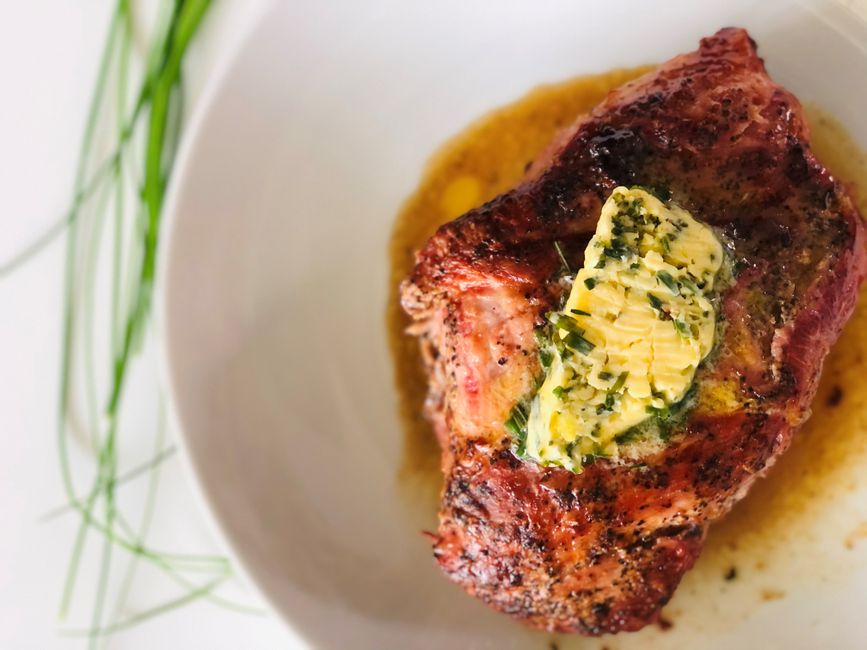
Professional chefs and barbecue enthusiasts often employ specific techniques to ensure that rested steaks are both flavorful and visually appealing. One such technique is to season the steak with salt before cooking, allowing time for the salt to penetrate and help break down proteins, which can influence moisture retention. After resting, some chefs brush the steak with a little butter or oil to add shine and flavor, though this is a personal choice and not a substitute for a proper rest.
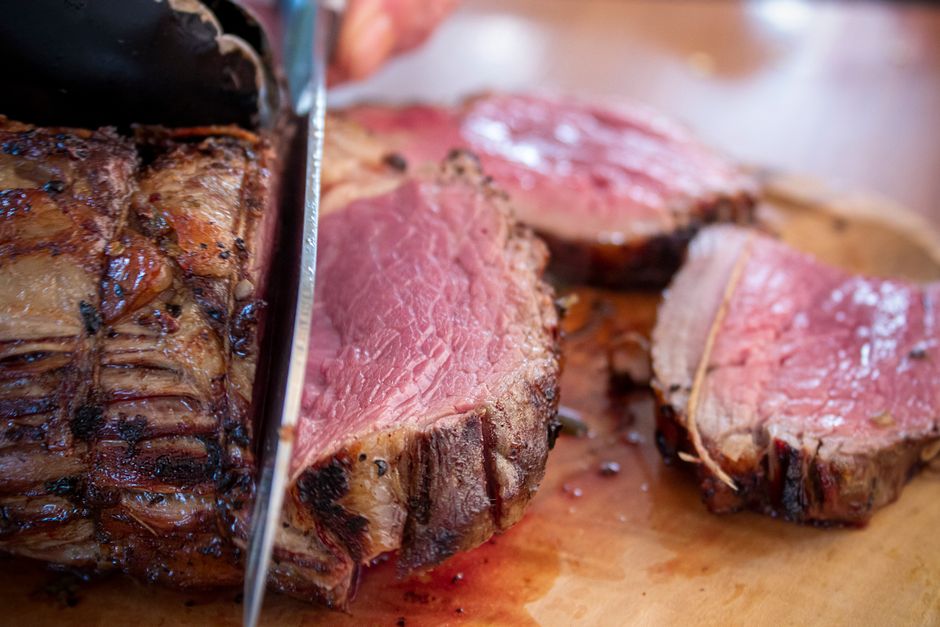
Another practice is to serve the steak sliced against the grain, which shortens the muscle fibers and makes the meat easier to chew. Even with a good rest, cutting against the grain is an important step for overall tenderness. But the rest is what gives the juices a chance to reabsorb into the meat, so the slices are moist and evenly textured. Without rest, slicing can cause the steak to dry out regardless of the cutting direction.
For those who prefer a charred crust, resting on a wire rack is especially useful. The air circulation helps retain some crispness while the interior finishes its redistribution. Some cooks even place a small pat of butter on top of the steak as it rests, but this can cause the crust to soften if the butter is too cold. It is generally safer to add any extra fat after slicing.
Impact on Dryness and Flavor
The primary reason to rest steak is to prevent it from becoming dry. When a steak is cut without resting, the juices that are trapped in the central area are released onto the cutting board. The muscle fibers that were already somewhat dry are not rehydrated, resulting in meat that can seem tough and less succulent. Resting allows moisture to redistribute toward the outer layers, so every bite has more uniform juiciness.
Flavor is also affected by resting. Many of the compounds that contribute to taste are dissolved in the juices. If those juices are lost, the steak can taste bland, even if it was well-seasoned. Resting helps the seasoning and natural flavors become more integrated with the meat. In addition, the texture is improved, as the proteins have time to relax, making the steak more tender.
It is important to note, however, that resting does not make a poor-quality steak great, nor can it eliminate all moisture loss if the steak is overcooked. The condition of the meat, the cooking time, and the temperature all play significant roles. Resting is just one part of a careful cooking process, but it is a part that should not be overlooked.
Conclusion
Resting a steak is a simple yet scientifically grounded step that can greatly influence the quality of the final dish. By allowing the juices to redistribute uniformly, cooks can achieve a more tender, juicy, and flavorful result. The practice requires attention to resting times, temperature management, and protection from rapid cooling, but these considerations are easily incorporated into a regular routine.
Ultimately, cooking a steak involves many variables, and no single method guarantees perfection. Resting is a technique that enhances the eating experience by addressing moisture loss and texture. For those who enjoy preparing steak at home, taking the time to rest the meat is a worthwhile habit that aligns with techniques used by culinary professionals.